
Introduction
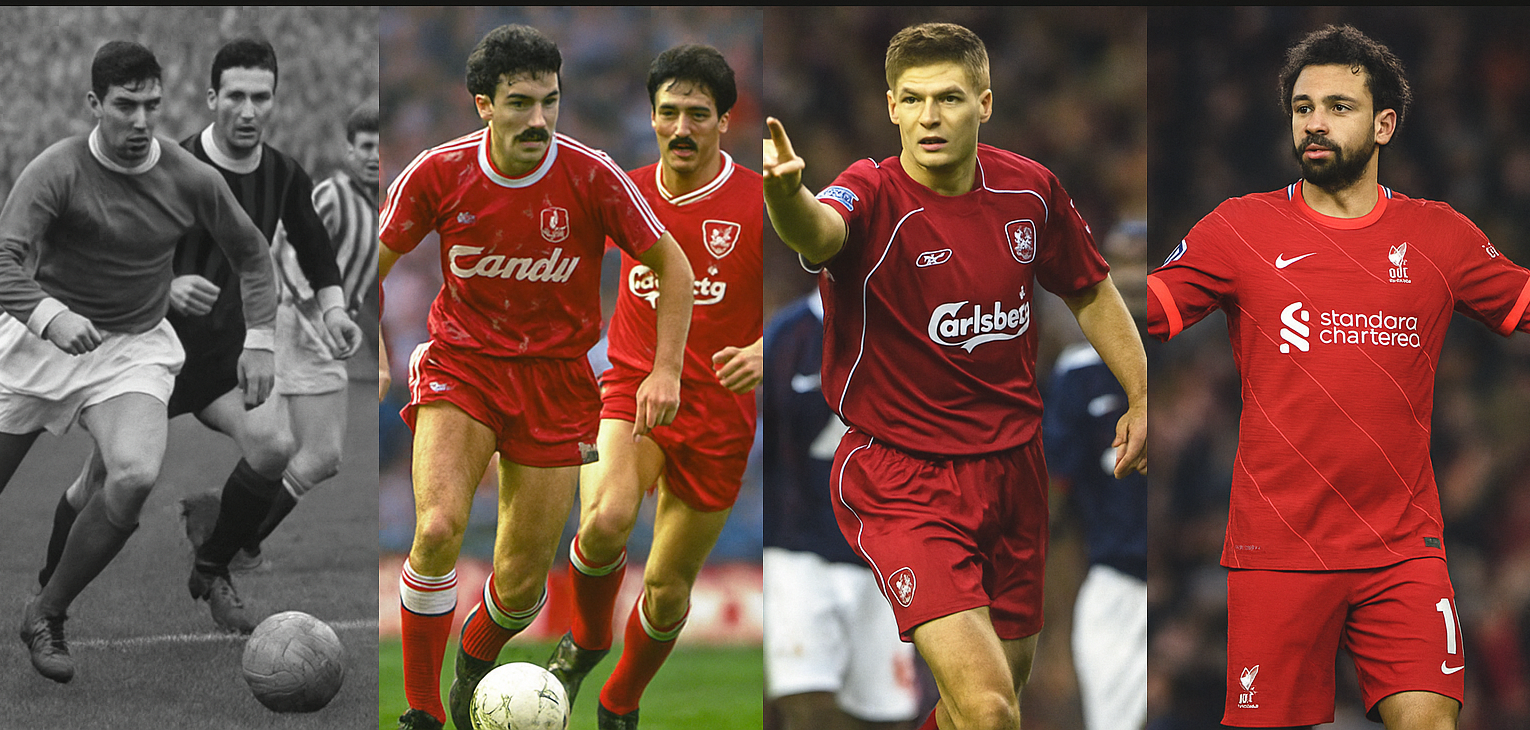
Liverpool FC is famous not only for its trophies and legendary players, but for a playing style that evolved dramatically over decades.
From long-ball football to patient possession to the modern high-pressing machine, the evolution of Liverpool playing style reflects the club’s identity and the influence of iconic managers.
This article takes you through each era and explains how Liverpool became one of the most tactically recognizable teams in the world.
The Foundations: Shankly’s Blueprint
The modern Liverpool identity began with Bill Shankly in the 1960s.
His philosophy centered on:
- Fast, direct football
- Hard work
- Pressing as a team
- Strong defensive structure
- Quick transitions
Shankly believed football should be simple, aggressive, and honest — values that still shape Liverpool today.
This was the true beginning of the evolution of Liverpool playing style.
The Paisley Era: Intelligence and Fluidity
Bob Paisley expanded Shankly’s ideas by adding tactical sophistication:
- Smarter positional play
- Rotating frontlines
- Creative midfield movement
- European-style control
- Precision passing
Under Paisley, Liverpool became more fluid, more controlled, and more tactically advanced — leading to European dominance.
Dalglish: Technical Quality and Attacking Freedom
In the late 80s and early 90s, Kenny Dalglish brought:
- Quick one-touch passing
- Clever attacking combinations
- Intelligent movement
- More goalscoring freedom
Liverpool were known for beautiful, attacking football that relied on technical skill, especially in the final third.
Houllier: Organization and Discipline
Gérard Houllier modernized the club’s structure:
- Strong defensive shape
- Compact midfield
- Strategic counter-attacks
- Direct wing play
This era added a European defensive mindset — essential for the next generation of tactics at Anfield.
Benítez: Tactical Control and European IQ
Rafa Benítez turned Liverpool into a tactically elite team:
- Zonal marking
- Controlled possession
- Intelligent pressing triggers
- Midfield dominance
- Structured buildup
Under Benítez, Liverpool became a Champions League powerhouse, highlighted by the miracle of Istanbul in 2005.
Klopp’s Revolution: Gegenpressing and Intensity
The most dramatic shift in the evolution of Liverpool playing style came with Jürgen Klopp:
- High pressing (gegenpressing)
- Lightning-fast transitions
- Wide forward rotations
- High defensive line
- Aggressive, energetic football
This style made Liverpool one of the most feared teams in Europe, reaching multiple Champions League finals and winning the Premier League after 30 years.
Arne Slot: Positional Play and Modern Fluidity
Under Slot, Liverpool evolved again:
- Control through possession
- Rotational midfield triangles
- Quick vertical passing
- Intelligent buildup from the back
- Pressing with more structure
- Wingers drifting inside as creators
This era blends Klopp’s intensity with tactical calmness — a modern hybrid style that fits the Premier League.
How the Style Reflects Liverpool’s Identity
Every era shows the same core values:
- Hard work
- Team unity
- Aggression
- Fast transitions
- Strong identity
- Intelligence on and off the ball
This is why Liverpool’s playing style always feels “recognizable,” even as tactics evolve.
Conclusion
The evolution of Liverpool playing style is a journey from raw intensity to tactical intelligence, from direct football to structured possession.
Each manager added something unique, shaping the club into a modern powerhouse with one of the clearest tactical identities in world football.
Liverpool’s playing style is not just tactics — it’s culture, history, and a reflection of what the club represents.
Dive Deeper Into Liverpool’s Past
Greatest Liverpool Comebacks Ever
https://illfc.net/greatest-liverpool-comebacks-ever/
Why Liverpool Became a Big Club
https://illfc.net/why-liverpool-became-a-big-club/
Trusted Liverpool History Sources
Official LFC – Club History
https://www.liverpoolfc.com/club/history
BBC Sport – Liverpool Historical Features
https://www.bbc.com/sport/football/teams/liverpool