
Introduction
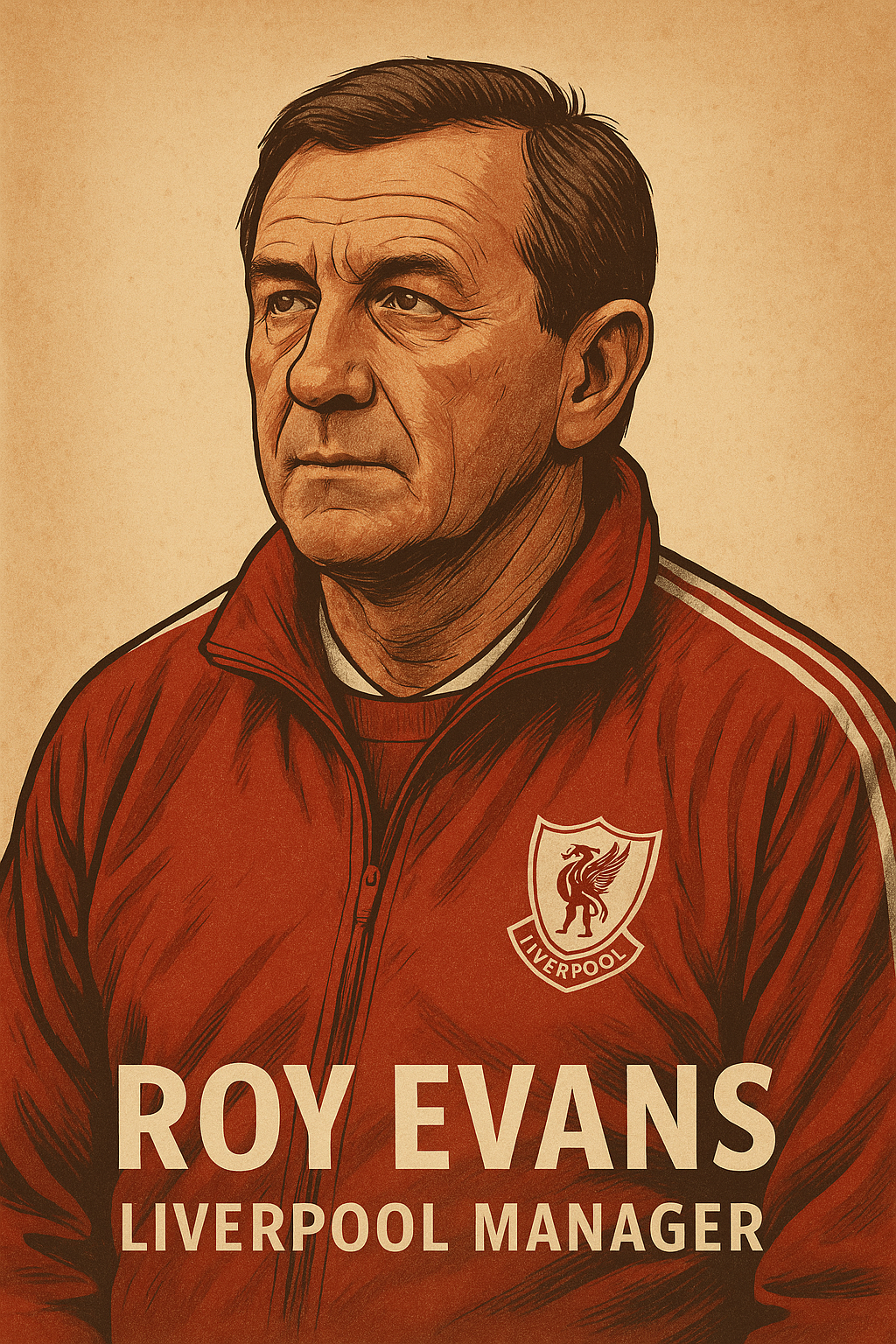
Roy Evans is one of the most respected figures in Liverpool history —
the final torchbearer of the legendary Boot Room,
a gentleman of the game,
and a manager who restored pride, elegance, and creativity to Liverpool during a turbulent era.
He may not have delivered a league title,
but he delivered something different:
- attacking football
- youth development
- stability
- dignity
- a bridge between old Liverpool and the modern Premier League
This is the story of roy evans liverpool manager,
and why he remains one of Anfield’s most beloved leaders.
From Apprentice to Boot Room Master
Evans joined Liverpool at just 17 years old.
He climbed through every level of the club:
- youth player
- reserve player
- reserve team manager
- first-team coach
- Boot Room tactician
- finally… manager
He learned from legends:
- Bill Shankly
- Bob Paisley
- Joe Fagan
- Ronnie Moran
He carried the true DNA of Liverpool.
When he became manager in 1994,
he was the last of his kind.
Why Roy Evans Became a Liverpool Legend
1. Restoring Liverpool’s Famous Attack
Evans rebuilt Liverpool’s identity around:
- passing
- movement
- flair
- wingers
- creative midfield
- overlapping full-backs
Under him, Liverpool became exciting again.
The team included stars like:
- Robbie Fowler
- Steve McManaman
- Stan Collymore
- Jamie Redknapp
- John Barnes (late career)
Liverpool played beautiful football —
fast, sharp, and fearless.
2. Developing Homegrown Talent
Evans trusted young players more than any Liverpool manager since Shankly.
He developed:
- Fowler
- McManaman
- Redknapp
- Carragher (early years)
- local academy talent
His work laid foundations for future generations.
3. Winning the 1995 League Cup
Evans guided Liverpool to the 1995 League Cup,
beating Bolton with two iconic Steve McManaman goals at Wembley.
It was Liverpool’s first trophy since the 1992 FA Cup
and a symbol of the revival under Evans.
4. The “Nearly Team” — Always Close, Always Beautiful
Evans’ Liverpool often finished:
- 3rd
- 4th
- 2nd in cup finals
They played some of the best football in England,
but defensive inconsistency (and the rise of Ferguson’s United) kept them from winning the league.
Still, fans loved Evans’ approach.
5. The Spice Boys Era — More Myth Than Reality
Evans managed during a time of intense media scrutiny.
Despite the tabloid noise,
Evans maintained dignity, professionalism, and class.
Players respected him deeply.
6. A Gentle Leader in a Ruthless Football World
Evans was known for:
- calmness
- loyalty
- intelligence
- treating players like family
- maintaining unity
He represents a style of management rarely seen today.
Tactical Philosophy
Evans’ football was:
- fluid
- technical
- possession-based
- attacking-first
- reliant on creative partnerships
- free-flowing
4-4-2 diamond, 3-5-2, and flexible systems were all part of his arsenal.
He made Liverpool fun to watch again.
End of the Boot Room Era
In 1998, Liverpool appointed Gérard Houllier as co-manager.
The partnership did not work,
and Evans stepped down.
With his departure,
the era of Liverpool’s Boot Room —
three decades of dominance —
came to an end.
Legacy: Why Roy Evans Will Always Be Loved
✔ Last manager of the Boot Room dynasty
✔ Restored attacking football at Liverpool
✔ Developed a generation of stars
✔ Delivered a major trophy in 1995
✔ Led Liverpool with dignity and class
✔ A lifelong servant of the club
Roy Evans is not remembered for titles —
he is remembered for heart, loyalty, and beauty in football.
That’s why roy evans liverpool manager remains essential to Liverpool’s story.
Continue Your Managers Journey
Gérard Houllier – The Moderniser Who Brought Europe Back
https://illfc.net/gerard-houllier-liverpool-manager/
Rafael Benítez – The Tactical Mastermind of Istanbul
https://illfc.net/rafael-benitez-liverpool-manager/
Official External Source
Liverpool FC – Manager History
https://www.liverpoolfc.com